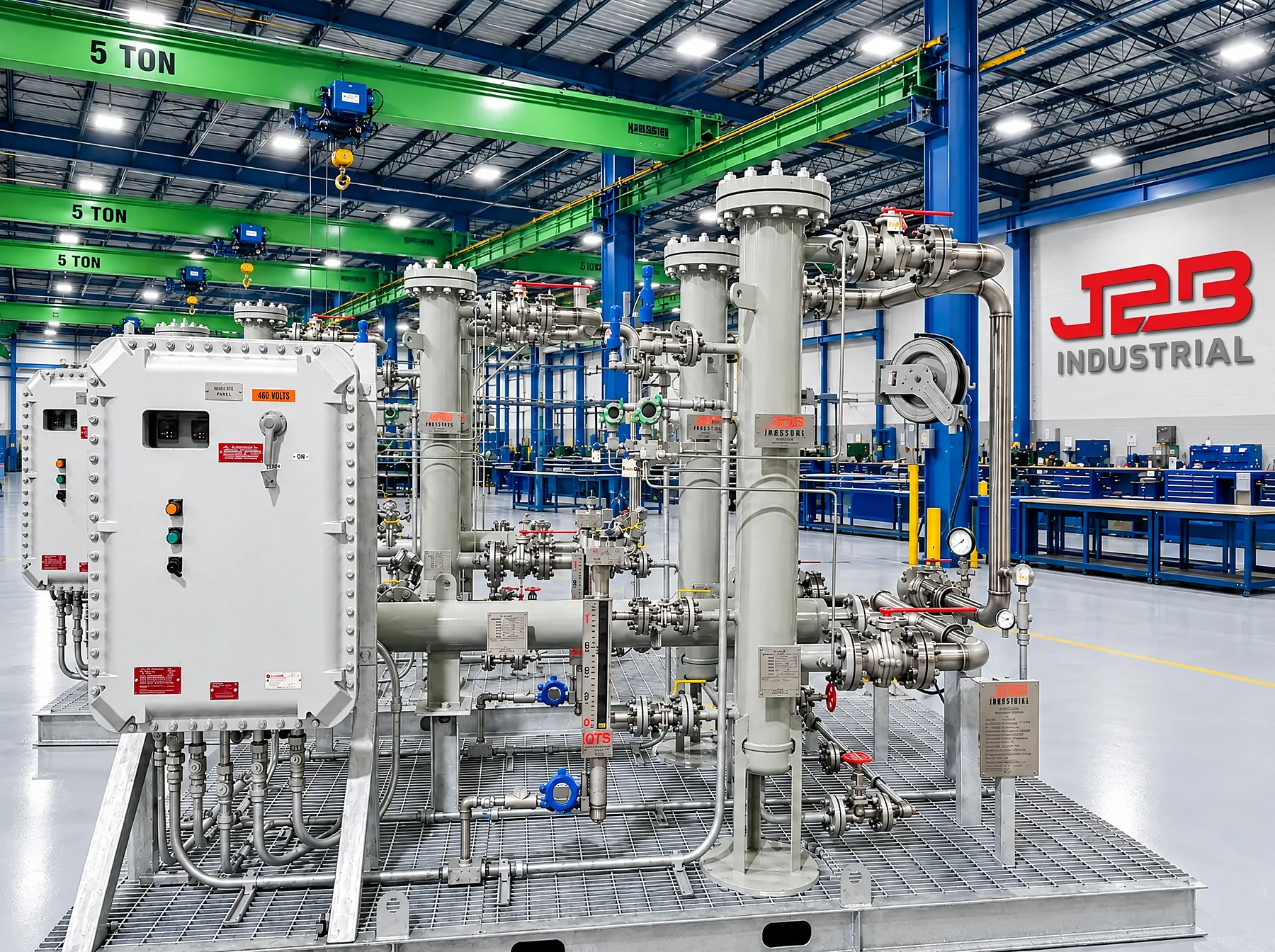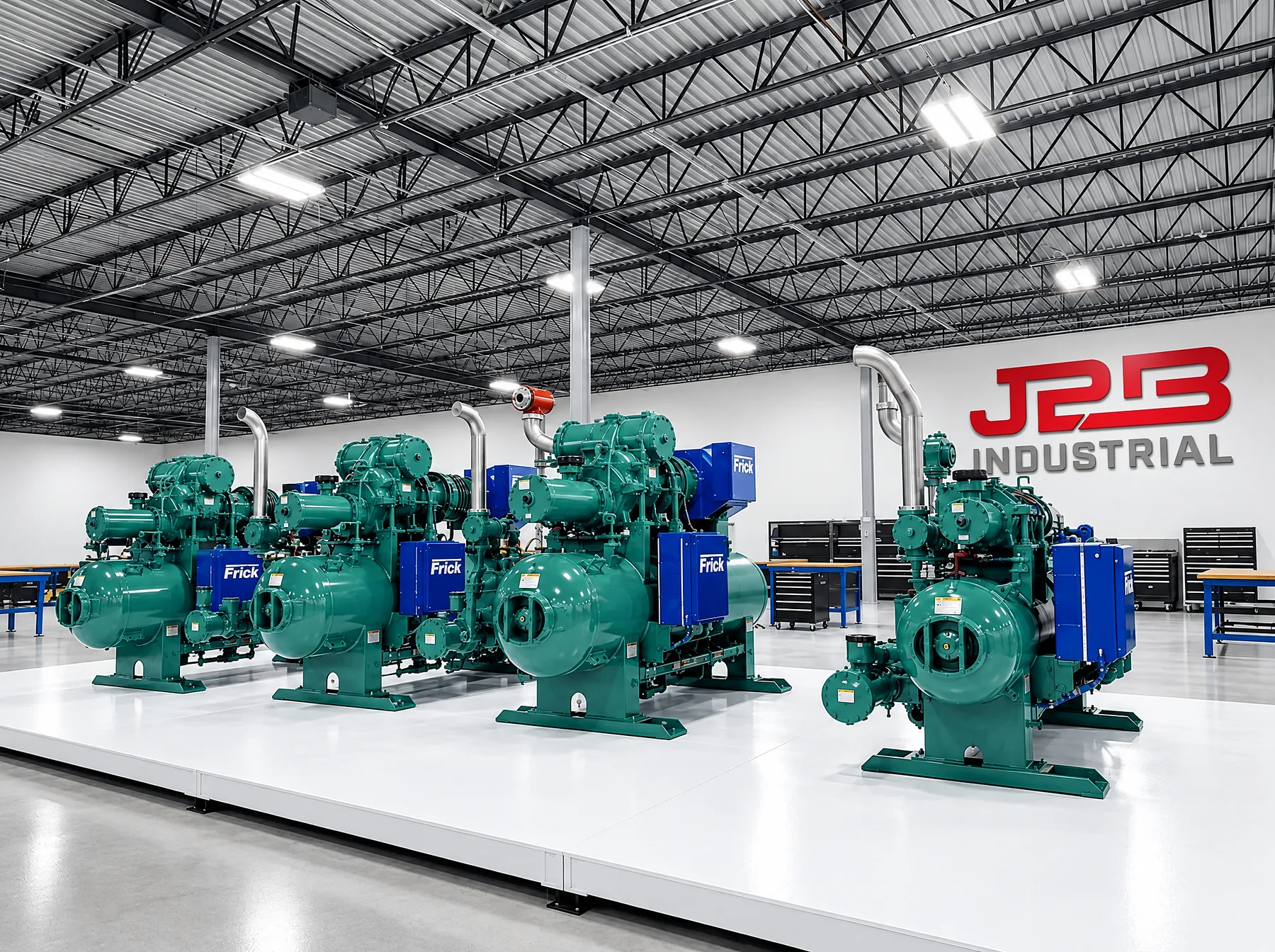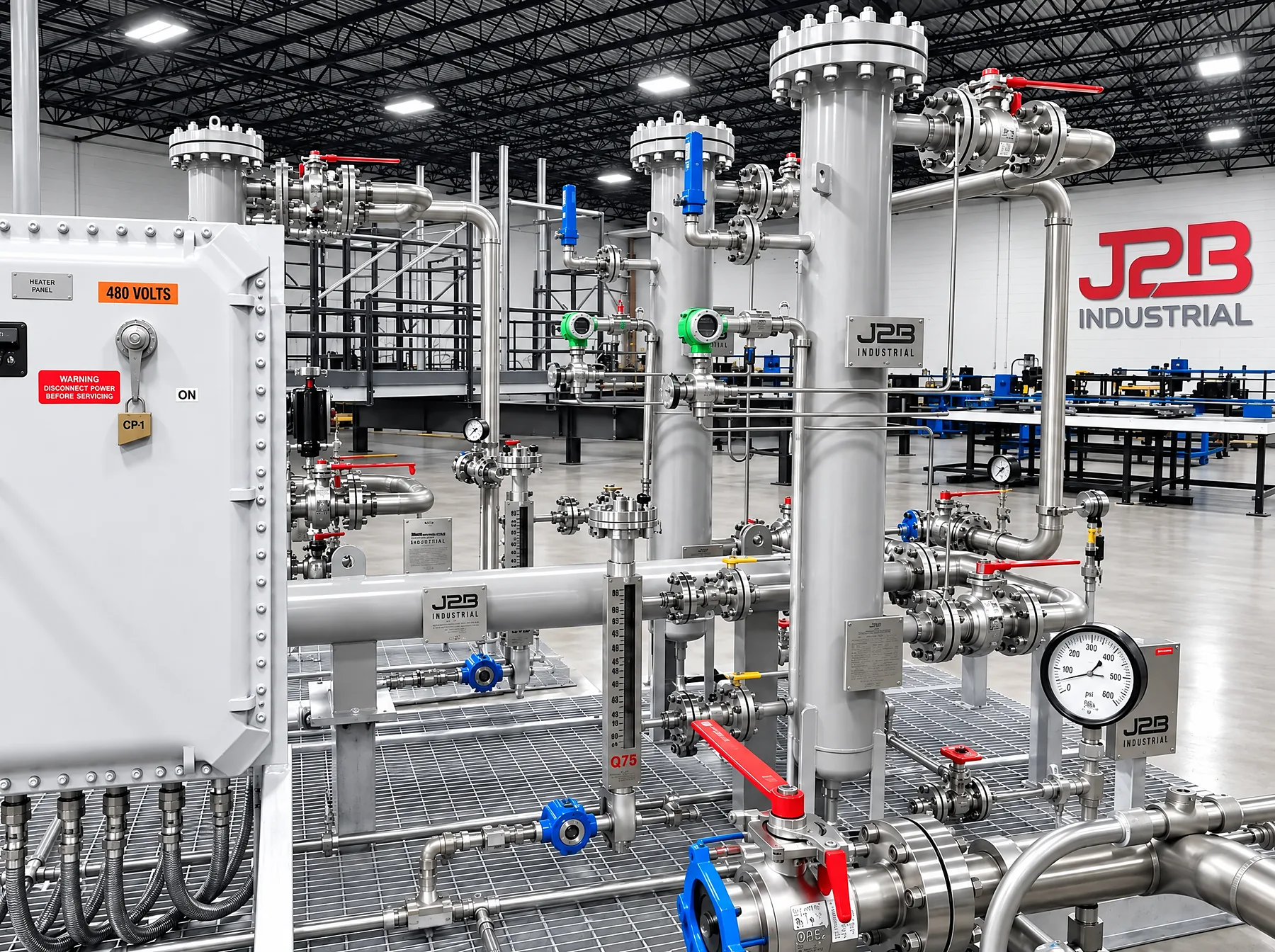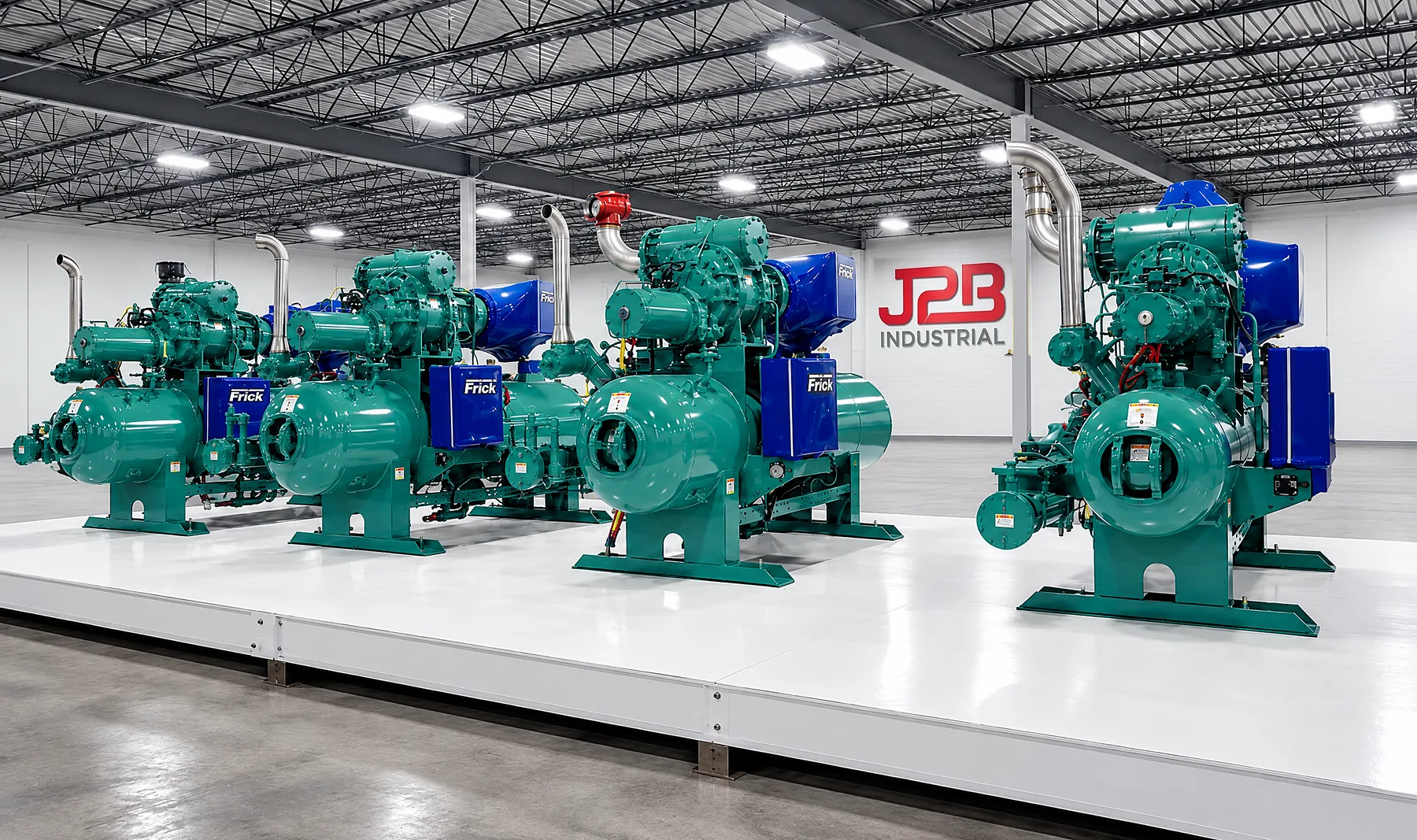
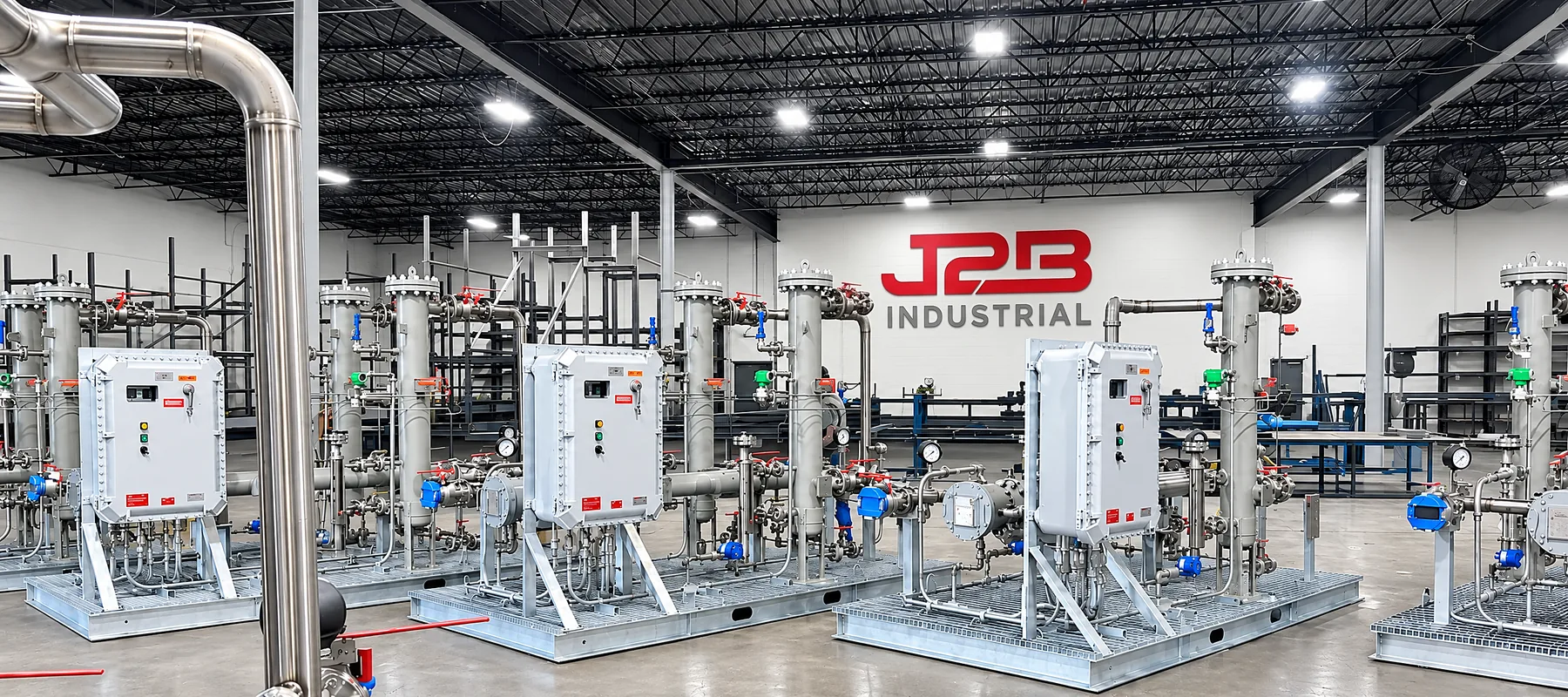
Building one engineered skid well is a fabrication problem. Building fifty that match is a manufacturing problem. The difference shows up in the controls around the work: when the design stops changing, how the first unit is proven, how changes are managed and how each unit's history is recorded.
One skid versus fifty
A one-off package can absorb field changes, drawing markups and late substitutions because only one unit carries them. In a fleet, every uncontrolled change creates a variant. Variants multiply spare parts, complicate operator training and make field problems harder to diagnose, because no two units are quite the same.
Design freeze
Design freeze is the point where the approved configuration becomes a released baseline: drawings, bill of materials, specifications and inspection plans at a controlled revision. Long-lead procurement for the block is usually placed against that baseline, since vessel, heater and valve lead times often set the program schedule.
First article
The first unit is built exactly to the baseline and put through every inspection and test the fleet will see, including a full Factory Acceptance Test. Its purpose is to find problems once. Findings are closed back into the design before the second unit starts, so the fleet inherits the correction rather than the defect.
Standardization
Once the first article passes, the build is locked for repetition: fit-up fixtures sized to the configuration, weld maps, work instructions, inspection and test plans, and procurement released in blocks. Crews repeat the same scope unit after unit, which is where consistency comes from.
Serial manufacturing
Serial production runs identical units through fixed stations at a planned rate. Testing and shipping follow a cadence set by site readiness, so units arrive in the order they will be installed.
| Phase | Exit gate |
|---|---|
| Engineering | Design review and customer approval |
| Design freeze | Released drawing baseline |
| First article | FAT passed, findings closed into the design |
| Standardization | Production readiness review |
| Serial manufacturing | Shipping release per serial number |
Traceability
Each unit carries a serial number from the start of build. Pressure-retaining material traces to mill test reports and heat numbers; welds trace to the welder, the procedure and the examination result; instruments trace to their calibration data; and tests are signed against the serial number. Any approved change after design freeze is assigned to the serial numbers it applies to, so every unit's as-built configuration is known.
The result is a Manufacturing Record Book per unit, and a fleet an owner can operate as one system.